






Beyond the Hype: The State of AI in Creative Work


Meet the experts

I think we’re putting too much emphasis on learning how to prompt AI and not enough on developing actual creative taste.— Jessica Walsh

For now, the numbers say that creatives are still holding on. Agents help and humans direct the system… Let’s make sure humans keep owning the idea.— Rogier Vijverberg

The most important skill in AI-assisted creation is strong visual and conceptual criteria… AI does not replace taste; it makes taste, judgment, and quality control more essential.— Alicia Espinoza

There’s always space for manually editing image or video generations to align them with what you need… you can treat it much more like raw footage.— Tim Main

I’ve been hearing from more creatives… they’re beginning to direct teams of agents that collaborate across the entire creative process.— Ben Relles

We're quickly approaching a point where almost anyone can generate something that looks professionally designed. But being able to create something that looks cool and unique is another story.— Grayson Sands

AI can pump out a concept in five minutes, but how you shape that into something coherent that actually blows people’s minds… takes craft.— Raoni Lima

Clients are increasingly willing to pay for things that cannot be reduced to software proficiency: world-building, narrative thinking, art direction…— Jeni To
I think we’re putting too much emphasis on learning how to prompt AI and not enough on developing actual creative taste.— Jessica Walsh


The most important skill in AI-assisted creation is strong visual and conceptual criteria… AI does not replace taste; it makes taste, judgment, and quality control more essential.— Alicia Espinoza
I’ve been hearing from more creatives… they’re beginning to direct teams of agents that collaborate across the entire creative process.— Ben Relles
AI can pump out a concept in five minutes, but how you shape that into something coherent that actually blows people’s minds… takes craft.— Raoni Lima
For now, the numbers say that creatives are still holding on. Agents help and humans direct the system… Let’s make sure humans keep owning the idea.— Rogier Vijverberg
There’s always space for manually editing image or video generations to align them with what you need… you can treat it much more like raw footage.— Tim Main
We're quickly approaching a point where almost anyone can generate something that looks professionally designed. But being able to create something that looks cool and unique is another story.— Grayson Sands
Clients are increasingly willing to pay for things that cannot be reduced to software proficiency: world-building, narrative thinking, art direction…— Jeni To
I think we’re putting too much emphasis on learning how to prompt AI and not enough on developing actual creative taste.— Jessica Walsh
For now, the numbers say that creatives are still holding on. Agents help and humans direct the system… Let’s make sure humans keep owning the idea.— Rogier Vijverberg
The most important skill in AI-assisted creation is strong visual and conceptual criteria… AI does not replace taste; it makes taste, judgment, and quality control more essential.— Alicia Espinoza
There’s always space for manually editing image or video generations to align them with what you need… you can treat it much more like raw footage.— Tim Main
I’ve been hearing from more creatives… they’re beginning to direct teams of agents that collaborate across the entire creative process.— Ben Relles
We're quickly approaching a point where almost anyone can generate something that looks professionally designed. But being able to create something that looks cool and unique is another story.— Grayson Sands
AI can pump out a concept in five minutes, but how you shape that into something coherent that actually blows people’s minds… takes craft.— Raoni Lima
Clients are increasingly willing to pay for things that cannot be reduced to software proficiency: world-building, narrative thinking, art direction…— Jeni To
Chapter 1
Has AI become infrastructure yet?
87% of creatives now use AI tools at work, and 58% use them daily, up nine points on last year. The pattern holds across age, experience and work setup. AI tools are standard issue.
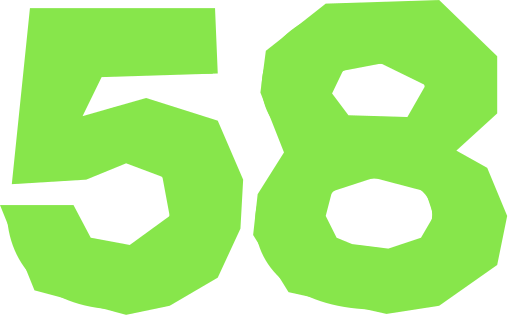
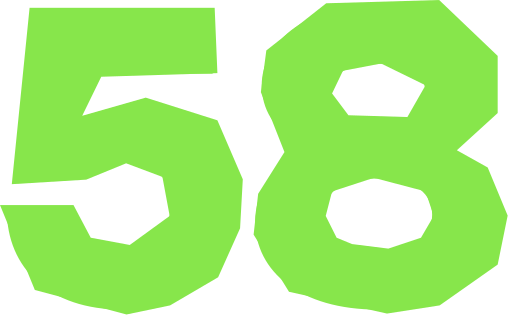
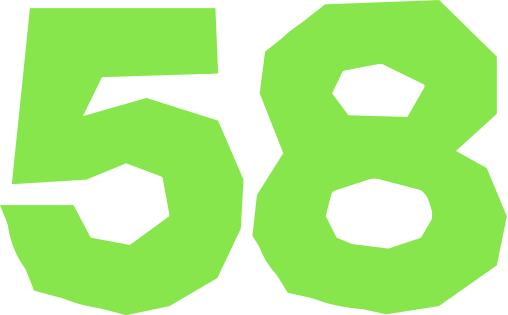
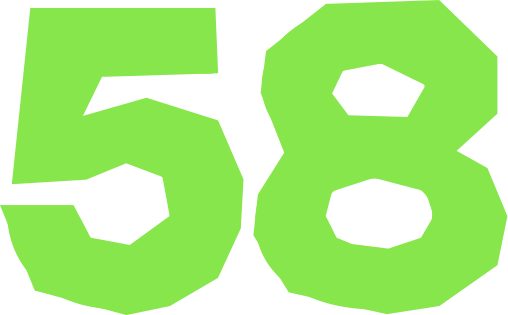


58% of creatives use AI daily
Fewer than
one in 12
actively avoid.

Daily AI use is up almost 10 points
We asked creatives which statement best describes their current relationship with AI tools. Here’s how answers shifted from last year
I use AI daily, and it’s transformed my workflow
- Last year
- 48.6%
- This year
- 58%
I use it occasionally for specific tasks
- Last year
- 33.6%
- This year
- 29%
I’ve experimented but haven’t integrated it into regular work
- Last year
- 10%
- This year
- 5%
I want to use AI more, but don’t know where to start
- Last year
- 5.1%
- This year
- 1%
I actively avoid AI tools in my creative process
- Last year
- 2.7%
- This year
- 8%
Bars may not add to 100% due to rounding.


Creatives who use AI are handing more tasks to agentic tools, from resizing layouts and logging footage to captioning, rotoscoping, and drafting briefs.
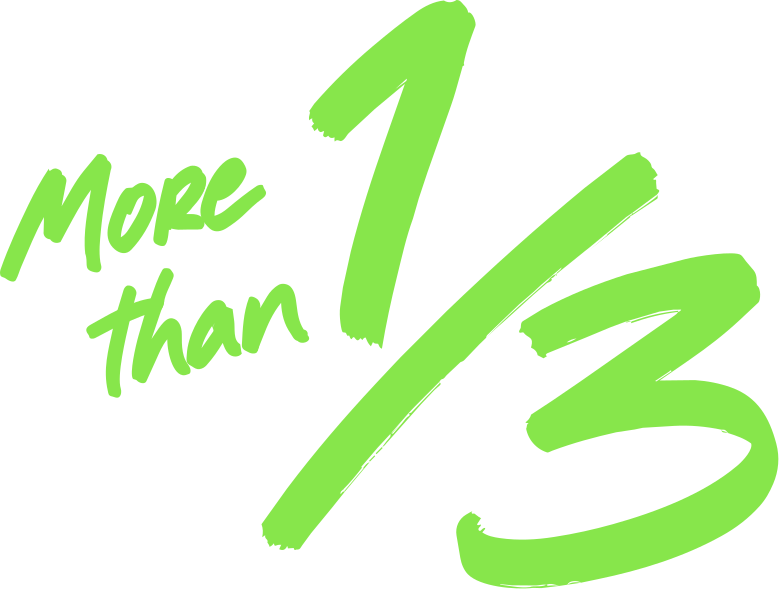



More than one third of creatives who use AI hand work to agentic tools regularly.



How much creatives hand over to AI, stage by stage
We asked creatives how much they involve AI at each stage of their creative process, from AI doing it all to not part of their work. Based on 955 respondents who don’t actively avoid AI.
Ideating
- 7% AI does it all
- 17% AI leads, I guide
- 30% I direct, AI makes
- 28% I lead, AI helps
- 16% No AI
- 2% Not part of my work
Generating
- 7% AI does it all
- 19% AI leads, I guide
- 37% I direct, AI makes
- 26% I lead, AI helps
- 10% No AI
- 1% Not part of my work
Editing
- 4% AI does it all
- 11% AI leads, I guide
- 22% I direct, AI makes
- 26% I lead, AI helps
- 34% No AI
- 3% Not part of my work
Refining
- 8% AI does it all
- 16% AI leads, I guide
- 26% I direct, AI makes
- 24% I lead, AI helps
- 22% No AI
- 4% Not part of my work
Communicating
- 11% AI does it all
- 20% AI leads, I guide
- 32% I direct, AI makes
- 23% I lead, AI helps
- 11% No AI
- 3% Not part of my work
Supporting
- 11% AI does it all
- 19% AI leads, I guide
- 31% I direct, AI makes
- 19% I lead, AI helps
- 14% No AI
- 6% Not part of my work
- AI does it all
- AI leads, I guide
- I direct, AI makes
- I lead, AI helps
- No AI
- Not part of my work
Chapter 2
What does AI actually pay?
AI pays creatives back in time: 49% work faster and 29% spend less time on jobs they dislike. Money is slower to follow. Fewer than one in 10 earn more or win more work, but 16% earn the same for less effort.








Just 7% say they
earn more
Creatives credit speed and reputation ahead of AI skills when their rates change.
AI skills may count for less because the tools now handle much of the repetitive work. Knowing how to run them no longer sets you apart.
Why creatives changed their rates
We asked freelancers and agency owners whose rates went up or down what they put the change down to. They could choose up to three reasons.
- I work faster now34%
- Reputation or client base grew31%
- Better direction/strategy30%
- Offer new services26%
- Improved AI skills25%
- Spend more on tools24%
- Market rates moved21%
- Changed type of client19%
- Clients expect AI to cost less18%
- More competition17%


Chapter 3
What actually creates better AI Work?
Last year, prompting was billed as the essential new skill. This year it came last of eight factors creatives credit for quality (19%). One possible reason: models now understand natural language and visual references.
Biggest impact on quality
53% my taste and judgement
19% writing AI prompts


Creatives credit taste almost three times as often as prompting.



Creatives cut AI work that misses the brief or gets it wrong.




Just one in 20 blame a lack of soul.





Why AI concepts were cut
Didn’t match brief
34%Errors/quality
32%Looks fake
19%Too much rework
10%Generic
9%Only for ideation
9%Inconsistent
9%Client rejected
6%Lacks soul
5%
